











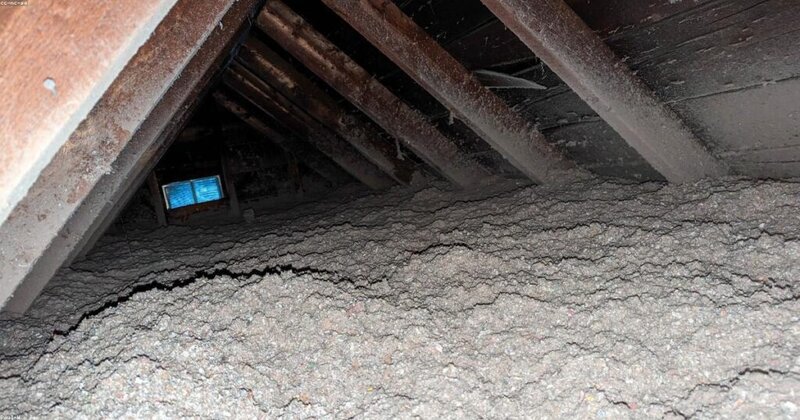
Spray foam insulation was once marketed across the UK as a quick, modern way to cut energy bills and keep homes warmer. For thousands of homeowners, however, it has quietly become the source of serious and expensive problems. If you already have spray foam in your loft, or you are buying a property that does, it pays to understand exactly what can go wrong beneath those neat-looking layers of foam, and what the proven solution actually is.
Why spray foam causes problems in the first place
There are two main types of spray foam: open-cell and closed-cell. Both are sprayed directly onto the underside of the roof, where they expand and harden. The trouble is that this seals the roof structure off from the air it needs. Closed-cell foam is the bigger offender, creating an airtight, non-breathable barrier around the timbers. In the damp UK climate, warm moist air from inside the home rises into the roof and, with nowhere to escape, condenses against the cold rafters. Over months and years, that trapped moisture can lead to timber rot, mould and the slow weakening of the very structure holding your roof up.
Just as damaging is what spray foam hides. Once foam is applied, a surveyor can no longer see the timbers, tiles, felt or membrane underneath. Any pre-existing leak, woodworm or rot is concealed, and any new problem can develop unseen until it becomes severe. This is the heart of why spray foam has caused such widespread difficulty for UK homeowners.
The most common spray foam insulation problems
Condensation and trapped moisture top the list. Because the foam blocks natural ventilation, moisture builds up in the loft and attacks the wood. The result can be wet rot, dry rot and a roof structure that deteriorates from the inside out.
Concealed defects are the second major issue. A roof might have a slipped tile or a small leak, but with foam in place nobody can inspect it. By the time damage shows itself on a ceiling below, repairs are often far more extensive and costly.
Poor or rushed installation is surprisingly common. Many homes were treated by aggressive doorstep sales operations that applied foam over dusty, damp or unsuitable timber, or used the wrong product for the roof type. Foam that has not bonded properly can fail entirely while still causing all the ventilation problems.
Finally, there is the problem that catches most people by surprise: mortgage and resale difficulties. Because lenders and surveyors cannot assess a foamed roof, the great majority now refuse to lend on affected homes, which can leave a property extremely hard to sell or remortgage. We cover the financial side in detail in a separate guide, but it is worth knowing it is one of the most damaging consequences of all.
How to tell if your spray foam is a problem
Not every foamed roof is failing, but warning signs are worth taking seriously. Look for damp patches, musty smells or visible mould in the loft, timbers that feel soft or look discoloured, and foam that is crumbling, lifting or has been applied directly over the felt. If your insulation was sold to you on the doorstep or installed without a proper survey, treat it as suspect. The only reliable way to know the true condition of the roof, however, is to have the foam professionally assessed, because so much of the risk is hidden beneath the surface.
The solution: safe, professional removal
For the overwhelming majority of affected homeowners, the real solution is full removal of the spray foam by a specialist, followed by a proper inspection of the roof and the installation of a conventional, breathable insulation system. Partial removal or cutting small inspection hatches is not enough; surveyors and lenders now expect a complete, clear view of the entire roof structure, so a half-finished job simply will not resolve the problem.
Professional removal does three things at once. It restores natural ventilation so the timbers can breathe and dry out, it exposes any hidden damage so it can finally be repaired, and it makes the property mortgageable and saleable again. Removal should always be carried out by an experienced, reputable contractor who can document the work, because that paperwork is exactly what future buyers, surveyors and lenders will want to see.
Spray foam problems rarely fix themselves, and they tend to get worse and more expensive the longer they are left. The good news is that the path back to a healthy, sellable home is well established. The first and most important step is simply getting honest, expert advice on the condition of your roof and your options.
Speak to an advisor to help you – fill out our form on our trusted removal companies page: https://nationalsprayfoamadvisory.org/trusted-removal-companies/