
For many UK homeowners, spray foam insulation only becomes a serious concern when they try to sell their home, remortgage their property, or apply for a new mortgage.
What was once heavily promoted as an energy-efficient home improvement is now being more closely examined by mortgage lenders, surveyors, and property professionals across the UK housing market.
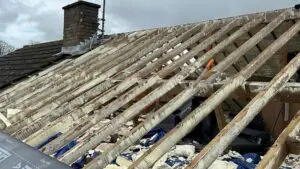
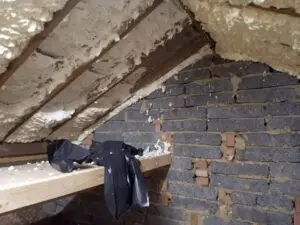
As awareness grows, more homeowners are discovering that spray foam insulation can raise questions during surveys and property valuations — particularly when it has been installed within roof spaces or directly onto roof timbers.
Why Are Mortgage Lenders Becoming More Cautious?
Mortgage lenders are primarily concerned with protecting the long-term condition and value of the property they are lending against.
Some lenders and surveyors have raised concerns about spray foam insulation because, in certain situations, it can:
- Restrict roof ventilation
- Make roof timbers difficult to inspect
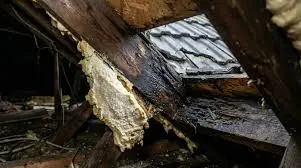
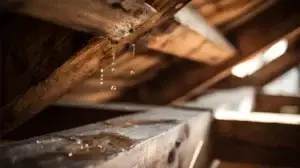
- Hide signs of moisture or timber deterioration
- Create uncertainty around the condition of the roof structure
- Lead to additional survey requirements
This does not automatically mean a property is unmortgageable. However, it does mean that additional checks or specialist reports may sometimes be requested before lending decisions are made.
Why Homeowners Are Being Caught Off Guard
Many homeowners had spray foam installed years ago with no expectation that it could later affect property sales or mortgage applications.
In some cases, homeowners only become aware of concerns after:
- A buyer’s survey is completed
- A lender requests further investigation
- A valuation report flags the insulation
- A remortgage application is delayed
This can create stress and uncertainty, especially for people trying to move home quickly.
What Are Surveyors Looking For?
Surveyors may assess several factors including:
- Whether roof timbers can still be inspected
- Signs of trapped moisture or condensation
- Roof ventilation levels
- The condition of the loft space
- The type of spray foam installed
- Overall roof construction
The age of the installation and the quality of workmanship may also influence the level of concern.
Does Spray Foam Always Cause Problems?
No — not every property with spray foam insulation will experience issues.
However, concerns often arise because each property is different. Factors such as open-cell vs closed-cell foam, property age, roof design, existing ventilation, and installation quality can all influence how the insulation performs over time.
This is why understanding the latest guidance is so important for homeowners.
What Should Homeowners Do If They Already Have Spray Foam?
If your property already contains spray foam insulation, staying informed is essential.
Homeowners are increasingly being advised to:
- Understand current lender attitudes
- Review roof ventilation and loft conditions
- Seek professional guidance where necessary
- Prepare for future surveys or valuations
- Learn what buyers and mortgage companies may ask for
The earlier homeowners understand the situation, the easier it can be to avoid unexpected delays or costly surprises later.
Download the Latest UK Spray Foam Guidance
Our free UK Spray Foam Guidance Report explains:
- Current homeowner concerns
- Mortgage lender considerations
- Survey and valuation issues
- Roof ventilation guidance
- Practical next steps homeowners may wish to consider
If you already have spray foam insulation installed, understanding the latest guidance could help protect your property sale, remortgage options, and long-term peace of mind.