




Thousands of UK homeowners have discovered that spray foam insulation can affect their mortgage, the value of their home and their ability to sell. The National Spray Foam Advisory exists to help you understand the issue, your options and the best way forward — without sales pressure.
The National Spray Foam Advisory helps UK homeowners understand the risks, condition and potential impact of spray foam insulation. While some installations may appear fine initially, poorly installed or aging spray foam can sometimes lead to moisture retention, reduced roof ventilation, hidden timber damage and complications with mortgage lenders or property surveys.
Many homeowners only discover these issues when selling, remortgaging or carrying out a roof inspection. Our role is to explain the situation clearly, helping property owners understand possible risks, inspection results and available next steps without pressure or confusion.
We do not install spray foam and we are not connected to removal companies. Our guidance is focused on helping homeowners protect their property and make informed decisions with confidence.
Certain insurance providers may raise concerns regarding ventilation, roof condition, or future maintenance access.
Poorly installed spray foam can potentially conceal moisture issues, condensation, and timber deterioration.
Sliquet facilisi aliquet rhoncus pellentesque amet orci habitant tristique non. Pellentesque pretium sed maecenas nec inteiger tempor. Fermentum dapibus rhoncus adipiscing.

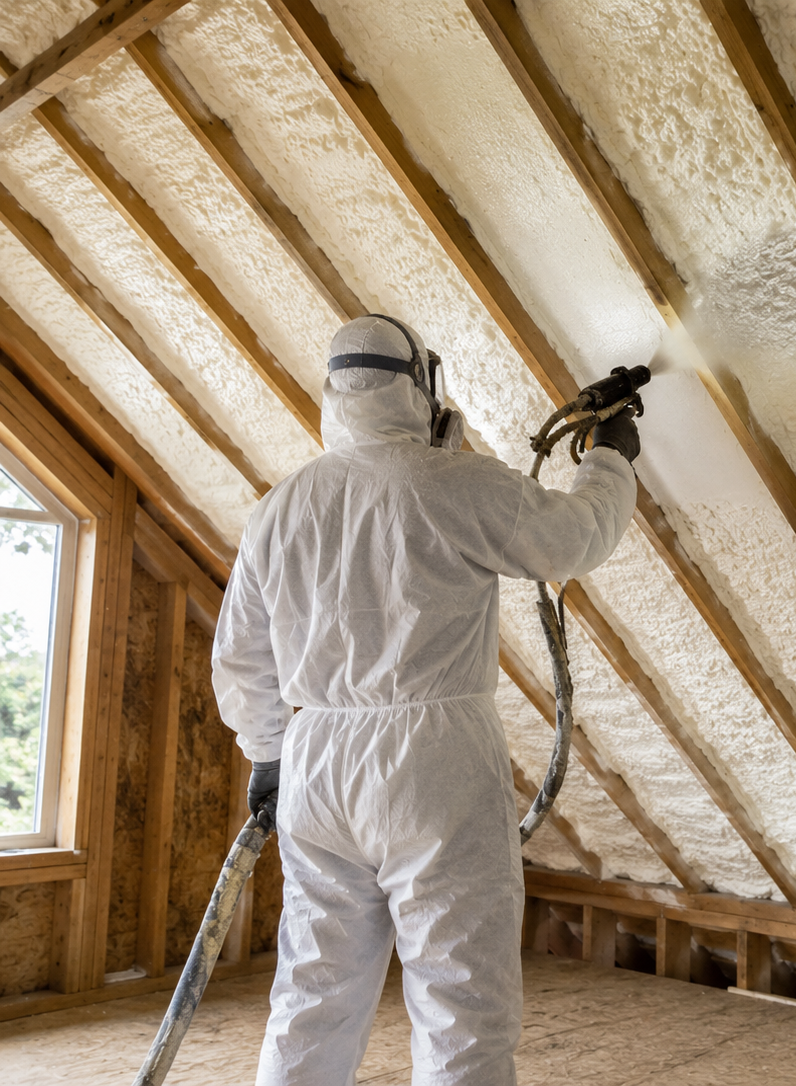
Spray foam insulation is a material applied to roofs, lofts, walls, and other areas to improve thermal efficiency and reduce heat loss. It expands after application, creating an airtight seal designed to improve energy performance within the property.
Some mortgage lenders may raise concerns because spray foam can make roof structures more difficult to inspect. In certain cases, surveyors may recommend additional inspections or reports before a lender approves financing.
Yes. Some homeowners have reported delays or complications during property sales due to concerns raised during surveys or mortgage applications. This does not necessarily mean a property cannot be sold, but additional documentation or inspections may sometimes be required.
No. Every property and installation is different. In some situations, homeowners may only need inspections, ventilation improvements, or supporting documentation rather than full removal. Independent advice is important before making decisions.
Improperly installed spray foam may contribute to issues such as:
These concerns are commonly discussed by surveyors and lenders.
Not necessarily. Different products, installation methods, roof structures, and ventilation systems can all affect how spray foam performs. Open-cell and closed-cell spray foam systems may present different considerations depending on the property.
Open-cell spray foam is softer and more breathable, while closed-cell spray foam is denser and creates a stronger moisture barrier. Surveyors and lenders may assess these differently depending on installation quality and roof construction.
In some cases, yes. If ventilation is restricted, moisture may become trapped within the roof structure, potentially increasing the risk of condensation and damp-related issues over time.
Because spray foam can cover roof timbers and other structural elements, surveyors may not always be able to fully assess the condition of the roof without specialist inspections or reports.
A condensation risk analysis is a technical assessment used to evaluate whether moisture buildup may occur within a roof or wall system. Some lenders or surveyors may request this type of report.
Some homeowners can successfully remortgage properties with spray foam insulation, while others may face restrictions depending on the lender, survey findings, and available documentation.
No. Lending criteria can vary significantly between mortgage providers. Some lenders may request additional reports, while others may apply stricter policies.
Improper ventilation and trapped moisture may contribute to timber deterioration in some cases. However, not every installation results in damage. The condition of the roof should always be assessed individually.
Removal costs can vary depending on property size, accessibility, roof condition, and foam type. Some UK homeowners report removal and repair costs reaching several thousand pounds.
Not always. Some buyers, lenders, or surveyors may accept specialist reports or supporting documentation instead of removal. Each transaction is different.
Some insurance providers may request additional information regarding roof condition, ventilation, or structural inspections before providing coverage or renewals.
If your mortgage or equity release application was declined due to spray foam insulation, it may help to obtain independent inspections, specialist reports, or professional guidance before exploring alternative lenders.
Homeowners should retain:
These documents may assist during future surveys or mortgage applications.
Yes. Because the foam adheres directly to roof surfaces and timbers, it may sometimes conceal water ingress or underlying defects until further inspections are carried out.
No. Spray foam insulation is not banned in the UK. However, concerns surrounding installation standards, lender policies, and property surveys have increased public attention around the topic.
Possible warning signs may include:
When properly installed in suitable applications, spray foam insulation may help improve thermal efficiency and reduce heat loss within the property.
Yes. Homeowners should remain cautious of unusually cheap removal quotes, cold calls, or pressure sales tactics. Poor removal work may result in additional roof damage or unexpected repair costs.
It is advisable to seek independent advice, request multiple inspections, review all documentation carefully, and understand the full scope of work before proceeding.
Possibly. Many buyers proceed successfully after obtaining additional inspections, structural reports, or lender approval. The condition of the roof and installation quality are important factors.
The debate largely comes from inconsistent installation standards, changing lender requirements, surveyor concerns, and growing homeowner experiences regarding mortgages, ventilation, and resale complications.
Absolutely. Homeowners should avoid making rushed decisions based solely on sales pressure or fear-based marketing. Independent assessments and professional guidance are essential before considering inspections, removal, or legal action.





